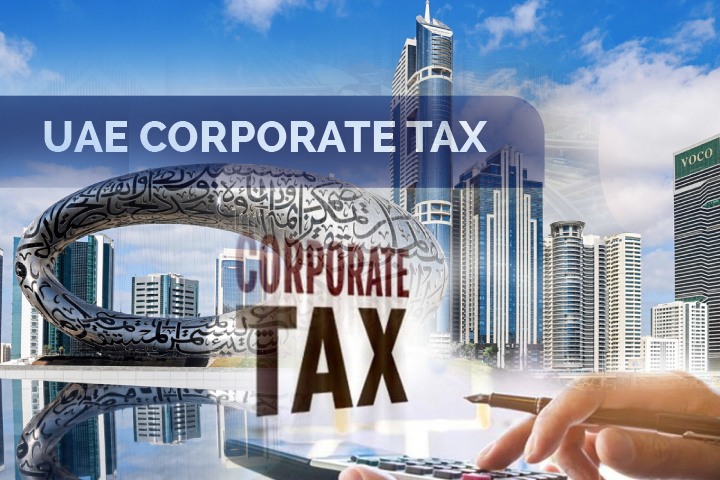
The UAE continues to refine its corporate tax framework, which applies to companies and commercial entities for financial years starting on or after June 1, 2023, with new amendments in 2025 and 2026. Most businesses with profits above AED 375,000 are subject to a 9% corporate tax, while certain free zone companies and qualifying entities can still enjoy a 0% rate under specific conditions. From January 1, 2025, the Domestic Minimum Top‑Up Tax (DMTT) will apply to large multinational enterprises with global revenues exceeding €750 million, ensuring a minimum effective tax of 15% in line with OECD Pillar Two rules. Recent amendments in December 2025 clarify how tax credits and incentives are applied, set the order for claiming credits, and allow taxpayers to claim payments for unused tax credits under defined conditions, while the Federal Tax Authority may withhold amounts from revenues to settle approved claims. Free zone rules have also been updated to clearly define which activities qualify for tax incentives, including trading in industrial commodities, chemicals, metals, energy, and agricultural products with quoted prices. Compliance remains crucial, as businesses must register with the Federal Tax Authority and file returns on time, with some temporary waivers for late registration provided to assist smaller enterprises. These updates aim to reduce uncertainty, improve transparency, and ensure businesses understand their obligations under the evolving UAE corporate tax regime.